Why Can the Wrong Measuring Tape Lead to Poor Garment Fitting?

Quick Highlights Use a flexible measuring tape for accurate body [...]
Quick Highlights
- Use a flexible measuring tape for accurate body measurements.
- Replace stretched tapes before they affect garment sizes.
- Check markings carefully to avoid reading and recording errors.
- Keep the tape flat and comfortable against the body.
- Repeat important measurements when the readings seem unusual.
- Store the tape properly to protect its accuracy.
Have you ever stitched a garment that looked perfect on paper but did not fit the person properly? The wrong measuring tapes in India can cause this problem. Even a small difference in body measurements can affect the fit of a shirt, dress, trouser, or suit.
A measuring tape plays a key role in garment making. Tailors, fashion designers, and clothing makers use it to measure body parts and fabric lengths. If the tape gives incorrect readings, the final garment may feel too tight, too loose, or uneven.
Today, we will discuss why the wrong measuring tape can lead to poor garment fitting. You will also understand how tape quality, material, markings, and measuring habits affect the final result.
How Does the Wrong Measuring Tape Affect Garment Fitting?
It can cause inaccurate body measurements. These errors can change the size, shape, and fit of a garment. A tailor may follow the recorded measurements correctly but still produce clothing that does not fit well.

For example, a customer may need a chest measurement of 40 inches. If a faulty tape shows 39 inches, the tailor may cut the fabric too small.
Common fitting problems caused by incorrect measurements include:
- Tight or loose clothing around the chest and waist.
- Sleeves that feel short or extend too far.
- Trouser waistbands that do not fit properly.
- Dresses that pull across the hips or bust.
- Uneven garment lengths and incorrect shoulder widths.
Which Measuring Tape Problems Can Cause Incorrect Measurements?
The material, markings, length, and condition of a measuring tape can affect its accuracy. A tape may look suitable for tailoring but still produce incorrect readings if it has certain faults.
Can a Stretched Measuring Tape Affect Clothing Sizes?
Yes, a stretched tape can show incorrect measurements. Some tapes lose their original length after repeated use or poor storage. This problem can lead to larger measurements than the actual body size.
Can Faded or Incorrect Markings Cause Fitting Problems?
Yes, unclear markings can lead to reading mistakes. A tailor may confuse one inch mark with another or misread a fraction. These small errors can affect the final garment.
Can a Damaged Tape Lead to Uneven Garments?
Yes, a damaged tape can cause errors throughout the measuring process. Frayed edges, a stretched end, or a bent starting point can affect the reading. These faults can make one measurement differ from another.
Why Is the Right Measuring Tape Important for Tailors?
It helps tailors take accurate and repeatable measurements. It also makes it easier to follow a pattern, calculate fabric dimensions, and check the finished garment.
Different measuring tasks need different tools. A flexible tailor tape works well for body measurements. A firm ruler or straight measuring tool suits flat surfaces and straight fabric edges.
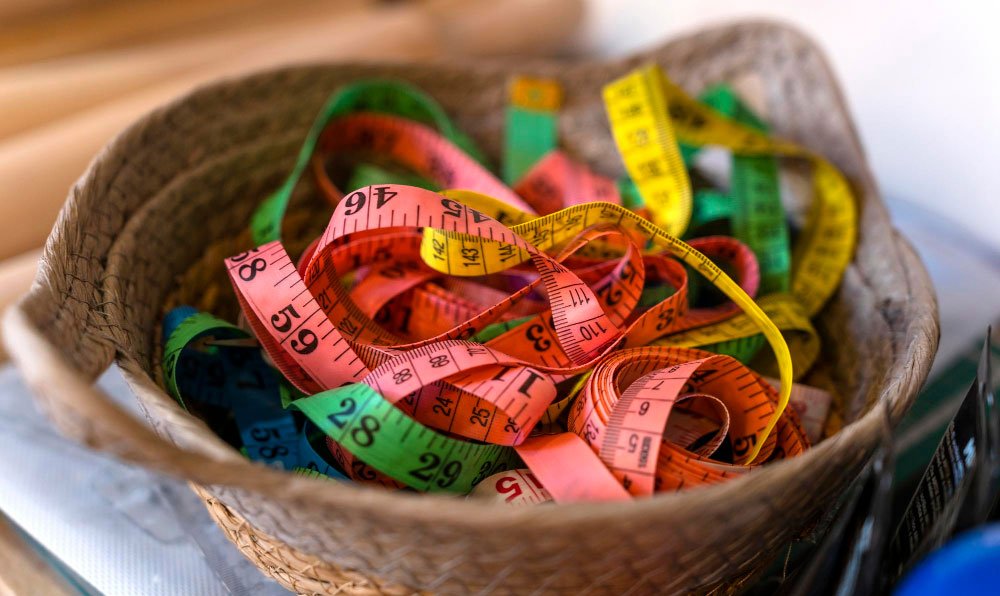
When choosing for garment fitting, consider these points:
- Flexibility: The tape should follow body curves without creating gaps.
- Clear markings: Numbers should remain easy to read under normal lighting.
- Correct length: The tape should cover the measurements required for your work.
- Reliable material: The tape should hold its length during regular use.
- Easy handling: The tape should lie flat against the body without twisting.
How Should You Use a Measuring Tape for Better Garment Fitting?
You should use it carefully and follow the same method for each measurement. Correct technique matters just as much as tape quality.
Follow these steps when taking body measurements:
- Check the tape before measuring. Look for damaged edges, faded markings, or signs of stretching.
- Keep the person in a natural standing position. Ask them to stand straight without pulling in their stomach or raising their shoulders.
- Place the tape at the correct point. Use the right position for the chest, waist, hips, sleeve, or other body part.
- Keep the tape flat. Do not twist it or leave gaps between the tape and the body.
- Avoid pulling too tightly. The tape should sit comfortably against the body without pressing into the skin.
- Read the correct marking. Check the number carefully and confirm the unit before recording it.
- Record each measurement clearly. Label the figures so you do not confuse the waist, hip, chest, or sleeve measurements.
How Can You Choose and Maintain a Reliable Measuring Tape?
Choose it that suits your work and holds its shape over time. Tailors who measure body curves need a flexible tape with clear markings. Clothing factories may also need reliable tools for repeated checks across different garments.
Before buying a tape, inspect the material and printed scale. Check that the numbers are clear and the edges look even. Compare its readings with a trusted measuring tool when possible.
Use these simple care tips:
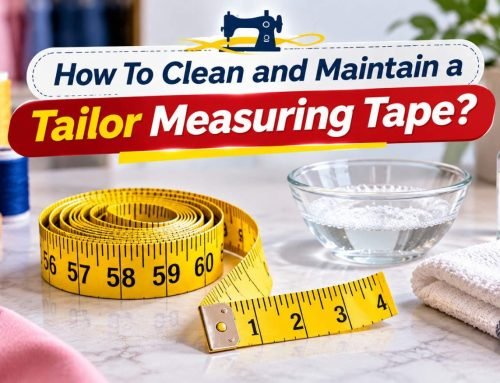
- Store the tape in a dry, clean place.
- Keep it away from sharp objects that can damage its edges.
- Avoid pulling it with excessive force.
- Do not fold it sharply or leave permanent creases.
- Check the markings and starting point from time to time.
- Replace the tape if you notice stretching or damaged numbers.
Being a reason, it always recommended to choose one of the best measuring tape manufacturers in Mumbai or anywhere for your tailoring business.
Final Point of View
The wrong measuring tape can cause poor garment fitting because it gives incorrect body measurements. Stretched material, unclear markings, damaged edges, and poor measuring habits can all affect clothing sizes. Choose a flexible, reliable tailor tape and use it carefully. Accurate measurements help tailors create better-fitting garments and reduce avoidable alterations.
FAQs
Can the wrong measuring tape cause poor garment fitting?
Yes, the wrong measuring tape can cause poor garment fitting. A stretched tape or one with incorrect markings can give wrong body measurements. This can make clothes too tight, too loose, or uneven.
Which measuring tape is best for garment measurements?
A flexible tailor measuring tape works best for body measurements. It follows the curves of the chest, waist, hips, and arms. Choose a tape with clear markings and strong material. Check its accuracy before using it for tailoring work.
How can I check if my measuring tape gives accurate readings?
Compare your measuring tape with a reliable measuring tool. Check the starting point, numbers, and distance between markings. Look for stretched material, faded numbers, or damaged edges. Replace the tape if you notice any difference in its readings.
Can a measuring tape affect the size of stitched clothes?
Yes, incorrect measurements can affect the final size of stitched clothes. For example, a wrong waist measurement can make trousers too tight or too loose. Incorrect chest or sleeve measurements can also affect the fit of shirts and dresses.
When should I replace my tailor measuring tape?
Replace your tailor measuring tape when it stretches, develops damaged edges, or shows unclear markings. You should also replace it if its readings do not match a reliable measuring tool.
Share This Article